About Stable Table Woodworking & Restoration
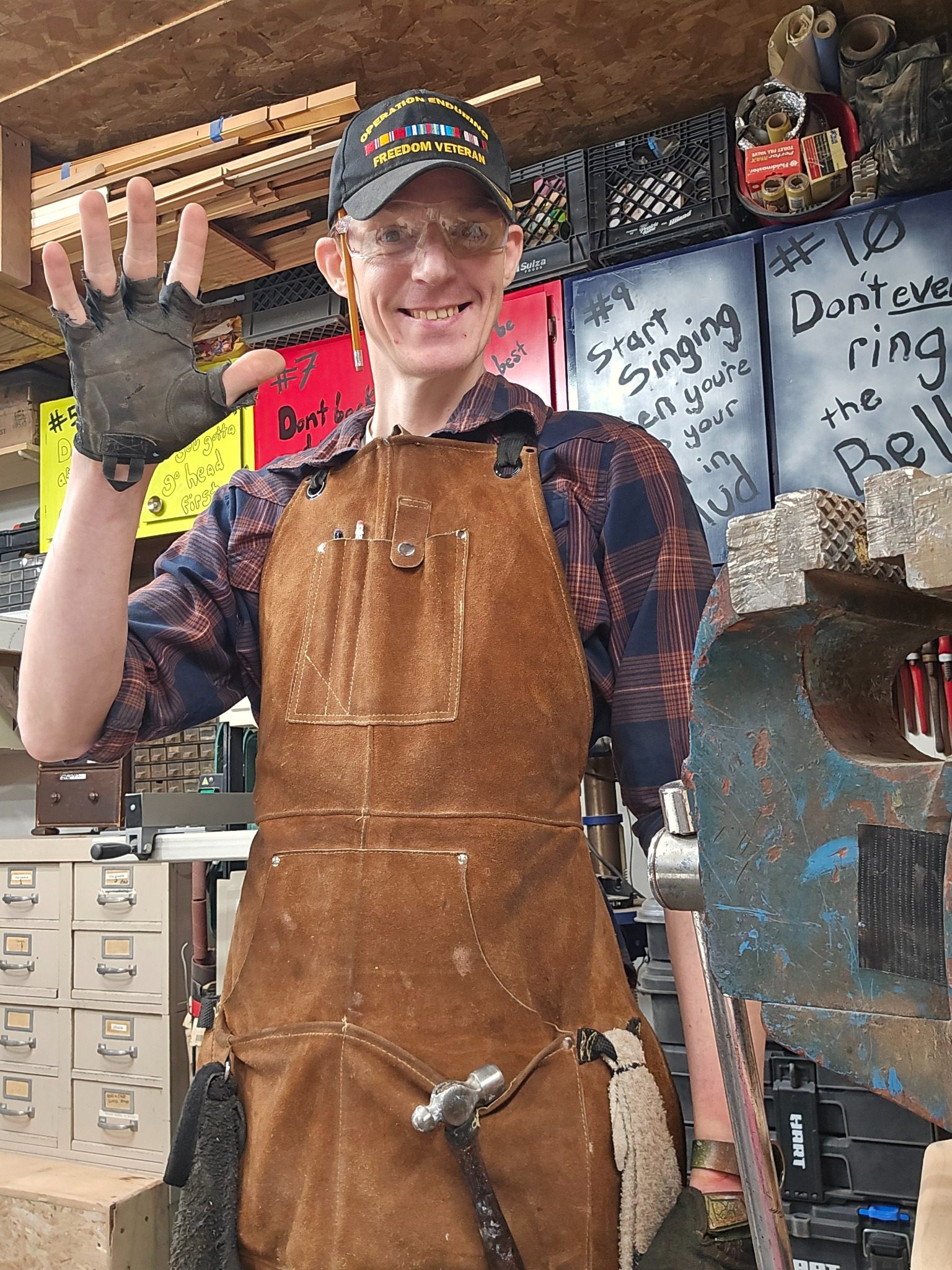
I was born into woodworking long before I ever thought of it as a profession. In my family, working with your hands was not treated as an art form or a hobby—it was simply how life functioned. My grandfather, a Korean War veteran, and my father, an Army veteran and Catholic school teacher, were men who fixed what broke, built what was needed, and never waited for someone else to solve a problem. If something failed, you repaired it, adapted it, or made it work. That mindset shaped me long before I understood it.
I grew up in a financially unstable household with divorced parents, where fixing broken things was as routine as cooking dinner. Trades were never presented as a “career path.” They were survival skills. Because of that, I never initially viewed woodworking as something special or artistic—it was simply what you did to keep life moving forward.
Both my grandfather and my father shaped how I work today, but my father’s influence is present in every part of my shop. Woodworking was his refuge. He taught me fundamentals, but more importantly, he taught me values: precision without ego, patience over shortcuts, respect for safety, pride in quiet workmanship, and responsibility for anything that carried your name. He believed tools demanded respect because they could hurt you, and craftsmanship demanded humility because perfection was never real—only effort was.
As a teenager, I formally entered woodworking through my high school shop program in Cheboygan, Michigan. I enrolled in Woods I as a freshman and completed the assigned nightstand project in two weeks. After passing safety and fundamentals testing without difficulty, I was allowed into Woods II early. By my junior year, I was working largely independently in what amounted to an unofficial Woods III. Using scrap oak I could afford, I carved a full-scale replica of the MacLeod sword from Highlander. I never intended to finish it or show it to anyone. My teacher, Mr. Munger, quietly submitted it to the Michigan Industrial Technology Education Society competition, where it placed first at both the regional and state levels.
At the time, I dismissed it. I was young, arrogant, and convinced woodworking was something I was “too good” for. I joined the United States military in part to escape my hometown and the life I feared settling into. I served multiple combat deployments in Iraq. That experience changed me permanently and introduced challenges I would not fully understand until later—PTSD, anxiety, depression, and substance abuse.
After my service, I earned multiple degrees using the GI Bill while drifting without direction. I worked in kitchens, traveled, and made early attempts at starting a woodworking business without the maturity or stability to sustain it. Addiction followed. I didn’t realize then that I was trying to outrun unresolved trauma.
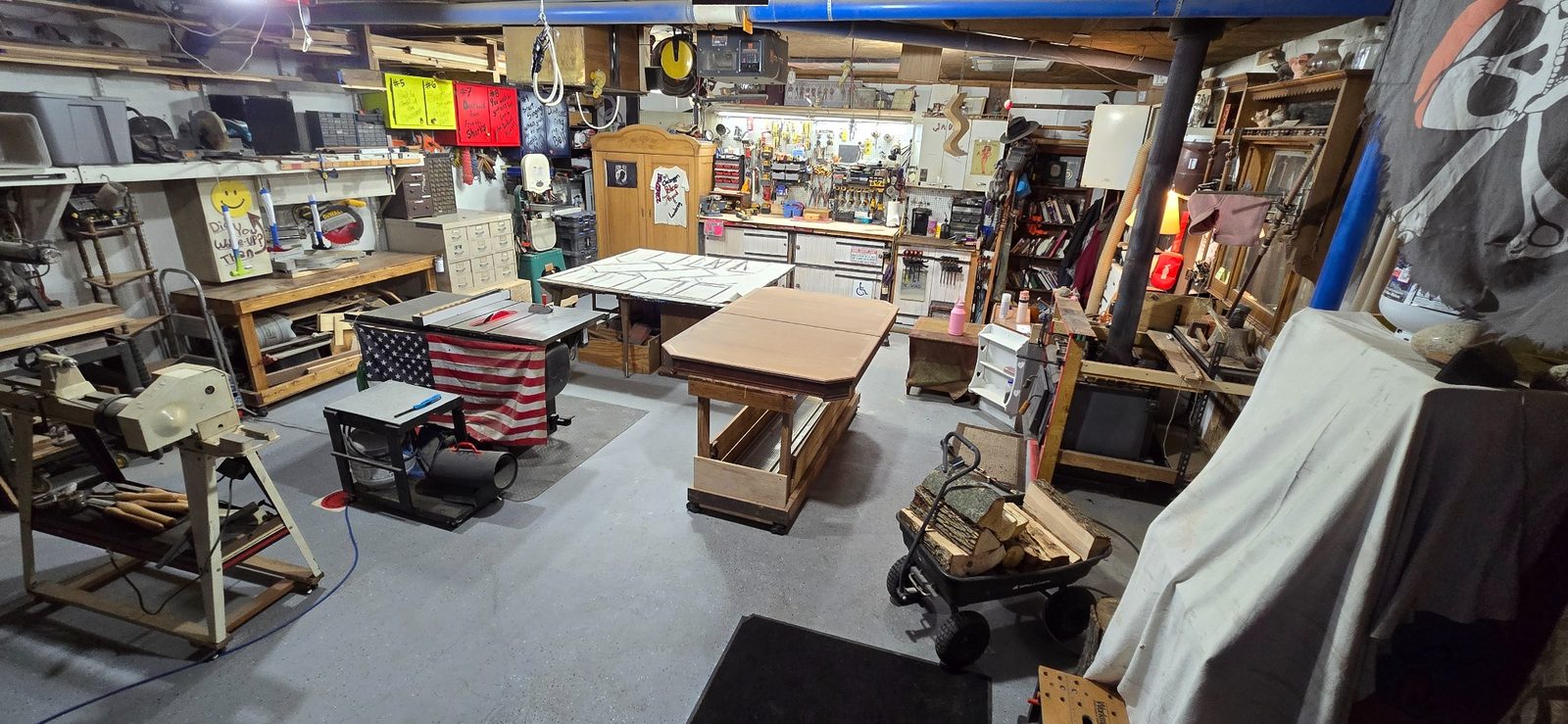
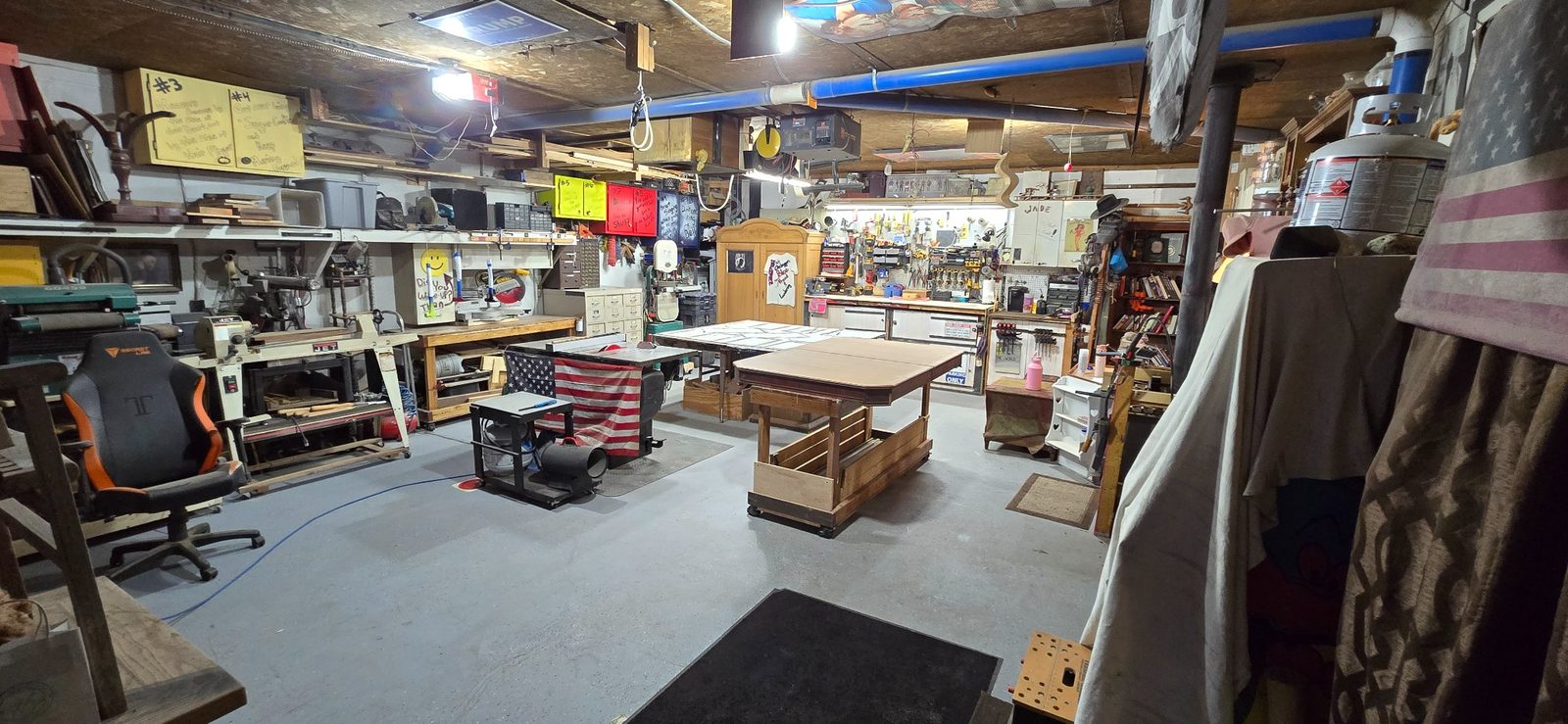
Everything changed when my father asked me to come home—not just to help him, but to save myself. I returned to Cheboygan, began working alongside him as an equal, and entered counseling. Detox was brutal. During the hardest moments, my father would pull me into the shop. We didn’t talk about feelings—we worked. Woodworking became my anchor. It provided structure, focus, and calm when my mind could not.
We planned to build a father-and-son woodworking business together. I eventually purchased the property, house, and shop from him outright, investing my life savings to put down permanent roots in my community. Then cancer took him. I became his caretaker, and in July of 2023, I lost my mentor, partner, and best friend.
Despite the loss, I moved forward and formally launched Stable Table Woodworking & Restoration, LLC.
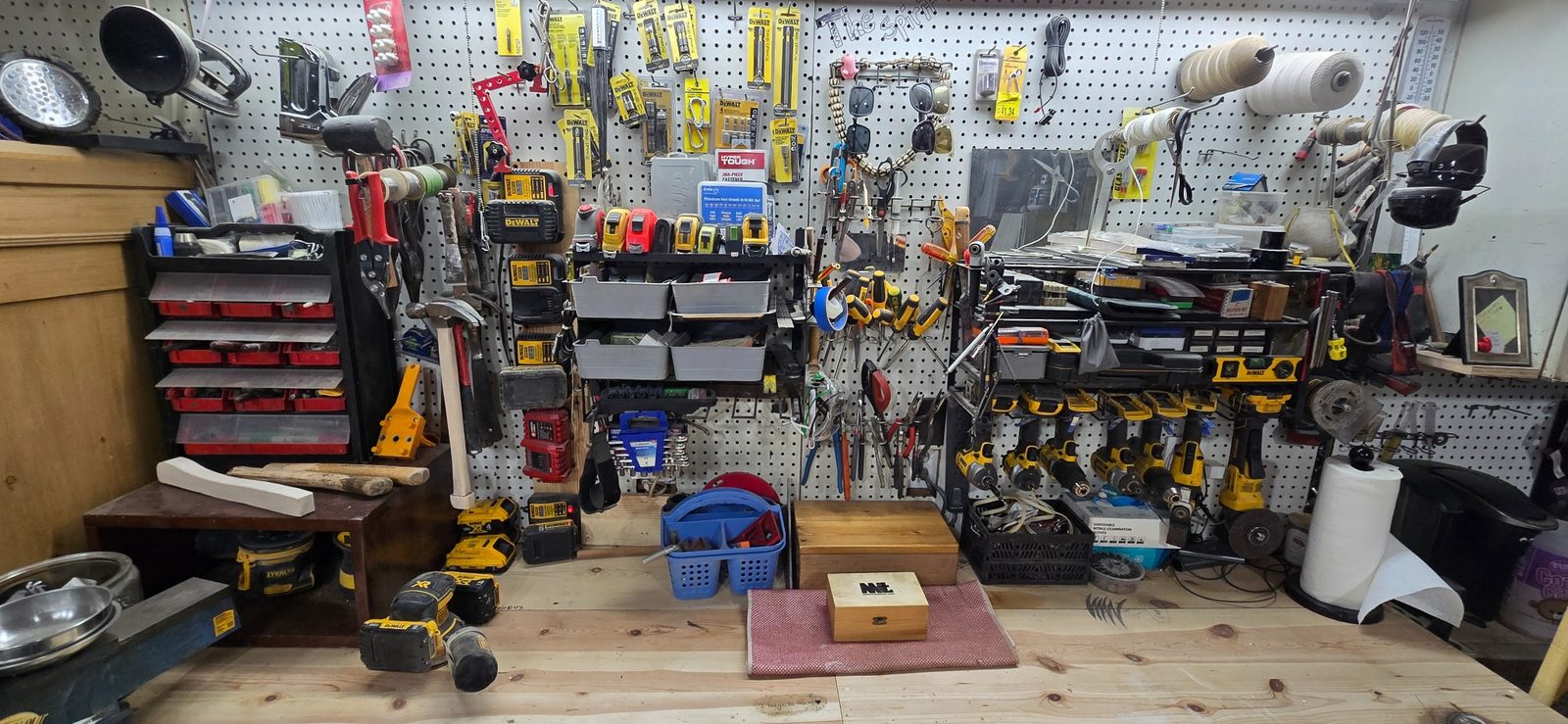
The name reflects my philosophy. Stability does not mean perfection. Our logo is intentionally off-center to acknowledge that craftsmanship—like life—is imperfect, but it can still be strong, honest, and built to endure. My work focuses on restoration of heirlooms, custom builds, and projects that require judgment rather than automation. One of the proudest projects of my life was refinishing ninety church pews alongside my father—pews still in use today at St. Mary’s Catholic Church. Every Sunday, they serve as a reminder of why this work matters.
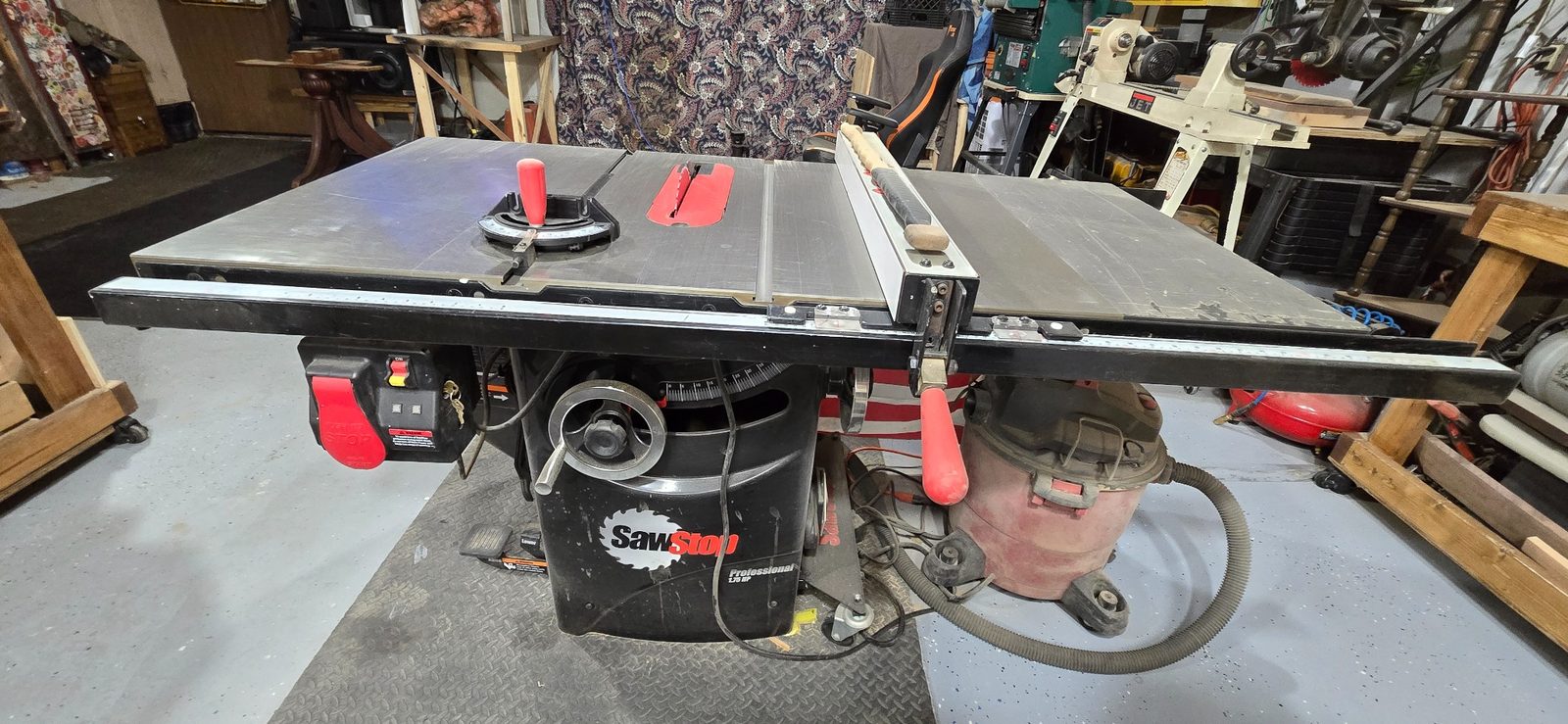
I am a combat veteran, a third-generation woodworker, and a member of the Sault Ste. Marie Tribe of Chippewa Indians. I operate a working shop built on trust, transparency, and accountability. I do not promise rigid deadlines at the expense of safety or quality. I build buffers where needed, document projects from start to finish, and provide clients with full photographic records and historical context whenever possible.
Many clients arrive as strangers and leave as friends. My goal is simple: to do honest work that holds up over time, honors the material, and respects the people who trust me with their pieces.
I am still here. I am still building. And I am asking you to build with me.
The goal is simple: honest work that holds up over time—without gimmicks, without shortcuts.
I’m a professional woodworker with a strong background in computers and AI. That combination shows up as clean execution, repeatable standards, and clear communication—so you’re never left guessing.